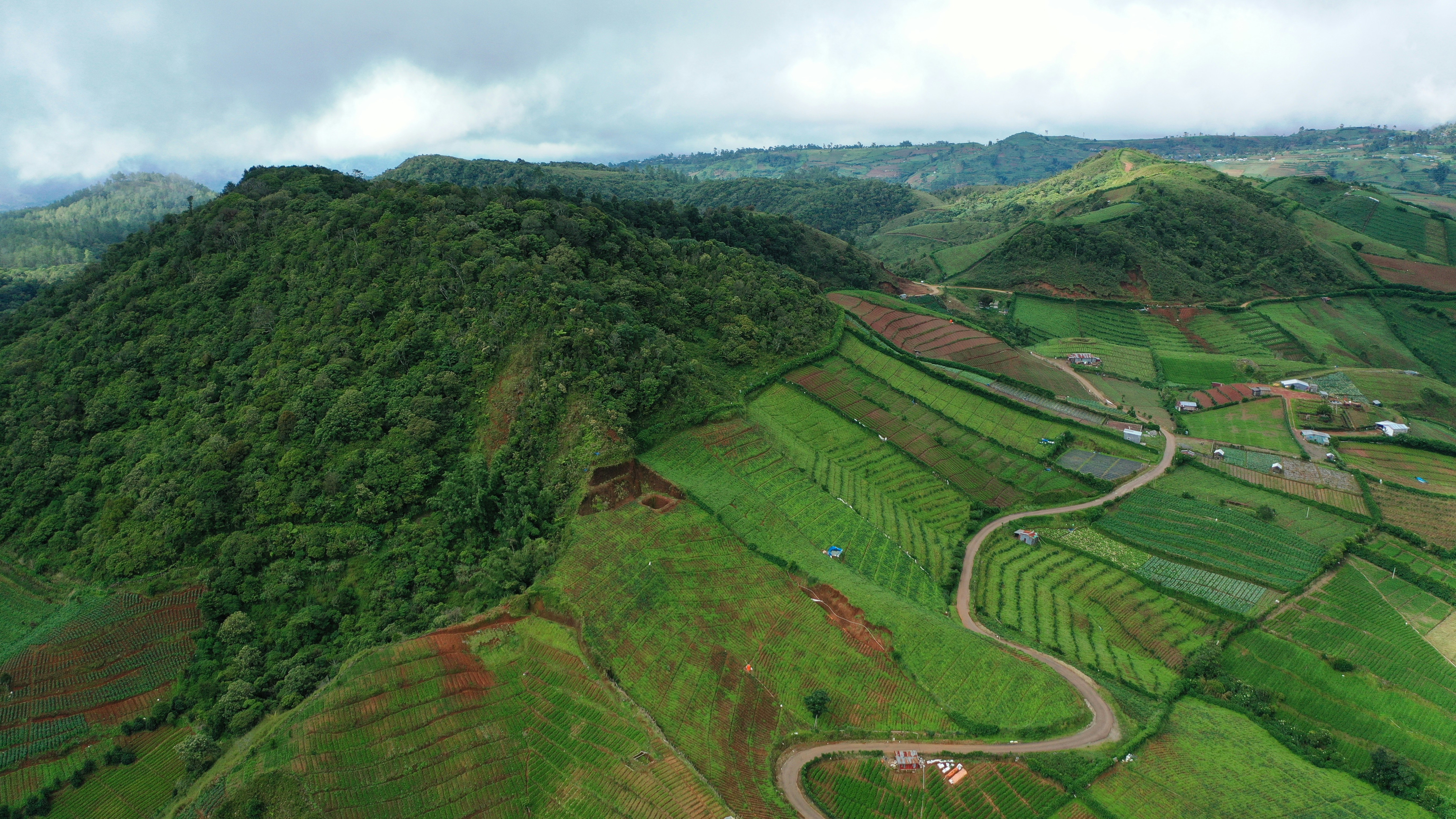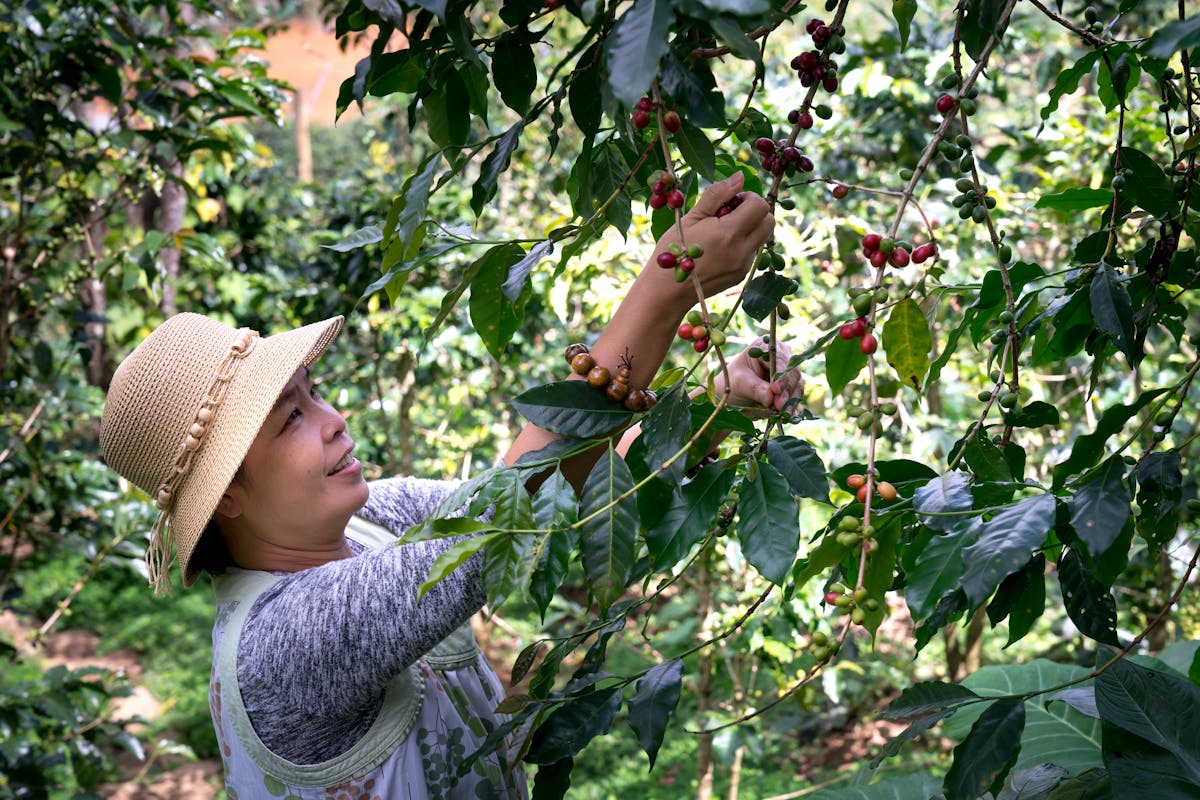
Nestled in the highlands of Aceh province in northern Sumatra, the Gayo plateau sits between 1,200 and 1,500 metres above sea level. Here, surrounded by cloud forest and volcanic soils, smallholder farmers have cultivated arabica coffee for generations — producing a green lot that has come to define what Indonesian specialty coffee can be.
Geography That Shapes the Cup
The Gayo region benefits from a microclimate unlike anywhere else on the island. Two distinct lakes regulate temperature and humidity across the growing zone, creating a slow ripening cycle that concentrates sugars and organic acids in the coffee cherry. The result is a cup with notable body, low but structured acidity, and a complex earthy sweetness that persists long after the last sip.
The Gayo plateau is not just a geographic origin — it is a flavour contract. Every roaster who sources from here knows what they are getting.
The Wet-Hull Process
Most Gayo lots are processed using the Giling Basah method, a wet-hulling technique unique to Sumatra. Coffee is pulped, fermented briefly, partially dried, then hulled at high moisture content before final drying. This produces the characteristic earthy, herbaceous notes that Gayo is known for globally.
What Buyers Should Know
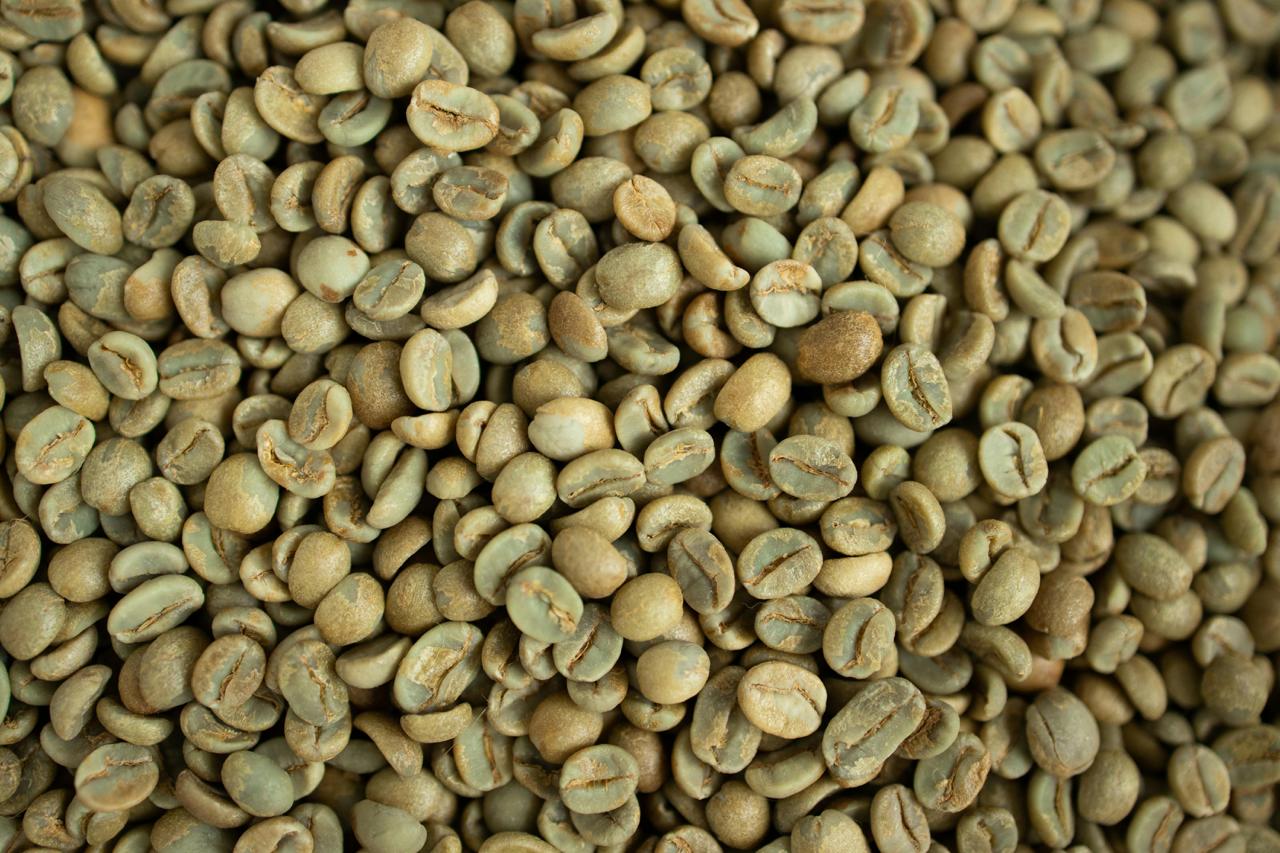
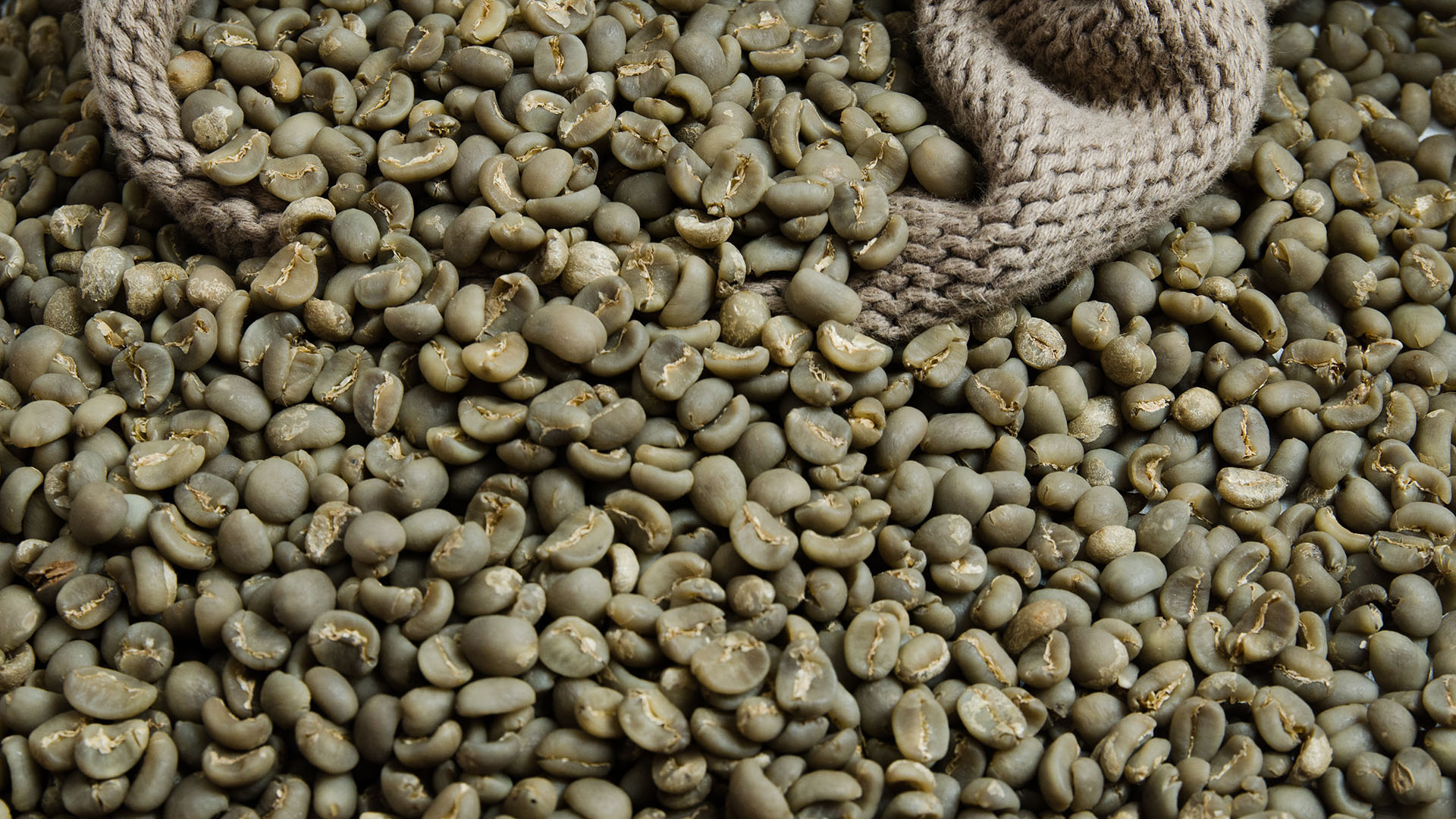
Gayo arabica is exported under several quality grades. Grade 1 lots allow no more than 11 defect points per 300g sample. Sebamak sources only from cooperative partners who maintain individual lot tracking from harvest through export.